
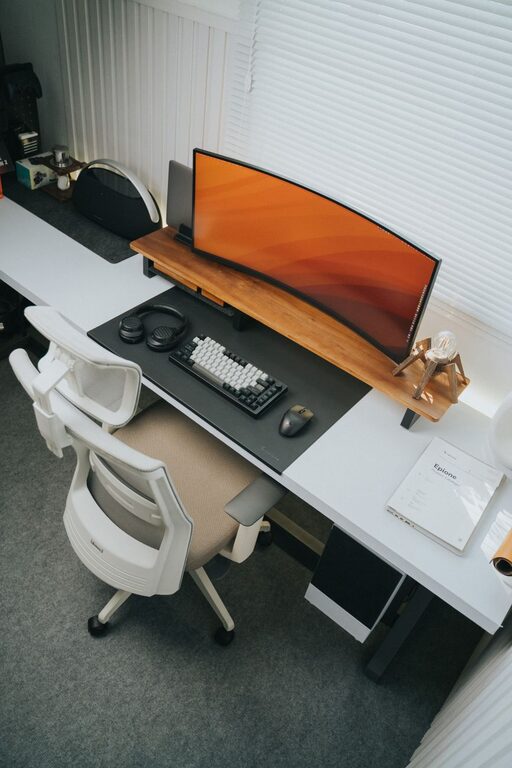
Creating a comfortable and efficient home workspace is essential for staying productive and focused. Whether you work remotely full-time or occasionally need a spot to handle personal projects, a clutter-free and functional environment can make a big difference. If your workspace feels chaotic or uninspiring, it’s time to introduce some simple organizing strategies.
In this post, you’ll find practical tips to help you design a home workspace that’s neat, efficient, and tailored to your needs.
Why Organizing Your Workspace Matters
A well-organized workspace reduces distractions and helps you stay on top of your tasks. Clutter can make it hard to concentrate and cause unnecessary stress. When your desk and surrounding area are tidy, you can find what you need quickly, feel more motivated, and create a healthier workflow.
Start with Decluttering
Before adding organization tools or décor, clear your workspace of unnecessary items. This step sets the foundation for creating an orderly environment.
How to Declutter Effectively:
- **Empty Your Space**: Remove everything from your desk and shelves. This allows you to see what you actually have and what you really need.
- **Sort Through Items**: Create piles for things to keep, toss, donate, or relocate.
- **Keep Only Essentials**: Limit what stays in your workspace to items that support your work.
- **Maintain a Clean Slate**: After decluttering, wipe down surfaces to refresh the area before arranging your supplies.
Choose the Right Furniture
Selecting furniture that suits your space and work style impacts comfort and effectiveness.
– Desk: Opt for a desk with enough surface area for your computer, notebooks, and any tools you use. Adjustable desks that allow you to alternate between sitting and standing are great for health.
– Chair: Invest in an ergonomic chair that supports your posture for long periods.
– Storage Solutions: Consider desks with built-in drawers or pair your desk with filing cabinets and shelves to reduce tabletop clutter.
Maximize Storage and Organization
Storage is key to maintaining tidiness and quick access to important items.
Smart Storage Ideas:
– Use Vertical Space: Wall-mounted shelves or pegboards keep supplies off your desk but within reach.
– Drawer Organizers: Keep small items like pens, paperclips, and sticky notes in compartmentalized trays.
– Label Everything: Using labels for bins, folders, and shelves helps you identify where things belong.
– Closed Storage for Papers: Use filing cabinets or boxes to organize documents safely, avoiding piles of paper.
Organize Your Desk Setup
How you arrange your desk impacts your workflow.
– Keep Daily Use Items Accessible: Store your most-used tools within arm’s reach.
– Minimize Technology Clutter: Use cable organizers or clips to manage cords.
– Add Personal Touches Sparingly: A few photos, plants, or decorative items can make your space inviting without adding clutter.
Implement a Daily Reset Routine
At the end of each workday, spend a few minutes tidying your workspace.
– Put away items used during the day.
– Sort through papers and file or recycle.
– Wipe down your desk surface.
– Prepare for tasks scheduled for the next day with a to-do list or calendar update.
Keep Paperwork Under Control
Paper clutter can pile up quickly if not managed.
– Go Digital When Possible: Scan and store documents electronically.
– Use a Desktop Organizer: Have a system for incoming and outgoing paperwork.
– Set Regular Paperwork Review Times: Schedule weekly or biweekly sessions to sort and clear paper.
Optimize Your Lighting
Good lighting reduces eye strain and keeps you alert.
– Natural Light: Position your workspace near a window when possible.
– Task Lighting: Use adjustable desk lamps to direct light where needed.
– Avoid Glare: Arrange screens and lights to minimize reflections.
Maintain Flexibility
Your needs may change, so keep your setup adaptable.
– Use movable storage units.
– Opt for modular furniture that you can reconfigure.
– Adjust organization systems as new tools or workflows develop.
Final Thoughts
Organizing a clutter-free and functional home workspace doesn’t have to be overwhelming. By decluttering, choosing the right furniture, smart storage, and establishing daily habits, you can create an environment that supports your productivity and well-being. Keep your system simple and flexible, and enjoy the benefits of a workspace that truly works for you.