
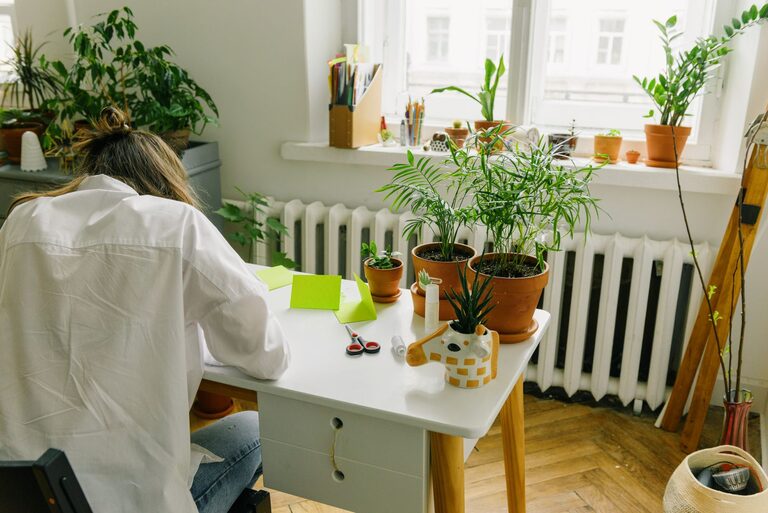
Creating a home workspace that is both sustainable and organized can greatly enhance your productivity and overall well-being. A thoughtfully designed workspace not only helps you stay focused but also reduces environmental impact by encouraging eco-friendly choices. Whether you work from home full-time or need a dedicated area for occasional tasks, these tips will guide you in setting up a space that is functional, tidy, and kind to the planet.
Why Sustainability Matters in Your Workspace
Sustainability means making choices that minimize harm to the environment while maximizing the efficient use of resources. Applying this principle to your workspace can reduce waste, save energy, and promote healthier living conditions. Plus, an organized space naturally supports sustainability by encouraging mindful consumption and reducing clutter.
Steps to Create a Sustainable Home Workspace
1. Choose Eco-Friendly Furniture
– Opt for natural materials: Select desks and chairs made from sustainably sourced wood, bamboo, or recycled materials.
– Buy secondhand: Consider gently used furniture to reduce demand for new manufacturing.
– Look for durability: Invest in quality pieces that last longer, cutting down waste and frequent replacements.
2. Maximize Natural Light
Placing your desk near a window can reduce the need for artificial lighting during the day. Natural light improves your mood and productivity while lowering energy consumption.
3. Use Energy-Efficient Lighting
When artificial light is necessary:
– Choose LED bulbs: They use less energy and last longer.
– Install dimmer switches or timers: Control brightness and operating hours to save electricity.
– Use task lighting: Focus light only where needed instead of lighting the whole room.
4. Reduce Paper Waste
– Go digital: Use electronic documents and cloud storage to minimize printing and paper clutter.
– Recycle: Keep a recycling bin handy for unavoidable paper waste.
– Use reusable notebooks: These can be wiped clean and reused, cutting down on scrap paper.
5. Organize with Purpose
A clean, organized workspace fosters efficiency and sustainability by helping you avoid unnecessary purchases and waste.
– Declutter regularly: Remove items you no longer need.
– Use storage bins and organizers: Sort supplies by category to find them easily.
– Label everything: Clear labels save time and reduce misplacement.
6. Select Sustainable Office Supplies
– Eco-conscious brands: Choose pens, notebooks, and folders made from recycled or biodegradable materials.
– Refillable products: Use refillable pens and markers to reduce plastic waste.
– Buy in bulk: Reduces packaging and shopping trips.
7. Incorporate Plants
Adding a few desk plants can improve air quality and create a calming atmosphere. Choose low-maintenance varieties like pothos, succulents, or snake plants.
8. Manage Energy Use of Electronics
– Unplug devices when not in use: Many electronics draw power even when off.
– Use power strips: Easily switch off multiple devices at once.
– Choose energy-efficient models: Look for products with Energy Star certification.
Tips for Maintaining Your Workspace
– Set aside time weekly for tidying: Regular upkeep prevents mess from building up.
– Adopt minimalist habits: Buy only what you truly need for your work.
– Personalize mindfully: Keep decorations simple and sustainable.
– Review and refresh: Reassess your workspace twice a year to improve comfort and sustainability.
Conclusion
Building a sustainable and organized home workspace is about making small, thoughtful choices that together create a positive environment for both you and the planet. By investing in eco-friendly furniture, managing energy consumption, and keeping your space tidy, you’ll enjoy a workspace that supports productivity and reduces your environmental footprint. Start today by implementing even a few of these tips and watch your workspace transform into a greener, more efficient place to work.