Creating a relaxing home office environment is essential for maintaining focus, reducing stress, and boosting productivity. Since many people are spending more time working remotely, having a workspace that feels calm and inviting can make a big difference in your daily routine. In this post, we’ll explore practical tips to help you design and maintain a home office that promotes relaxation and efficiency.
Why a Relaxing Home Office Matters
Working from home offers flexibility but also comes with unique challenges like distractions and blurred work-life boundaries. A well-organized and comfortable workspace reduces mental clutter and helps you separate work from leisure. This leads to improved concentration, creativity, and overall well-being.
Choose the Right Location
One of the first steps in creating a calming office space is selecting the right spot.
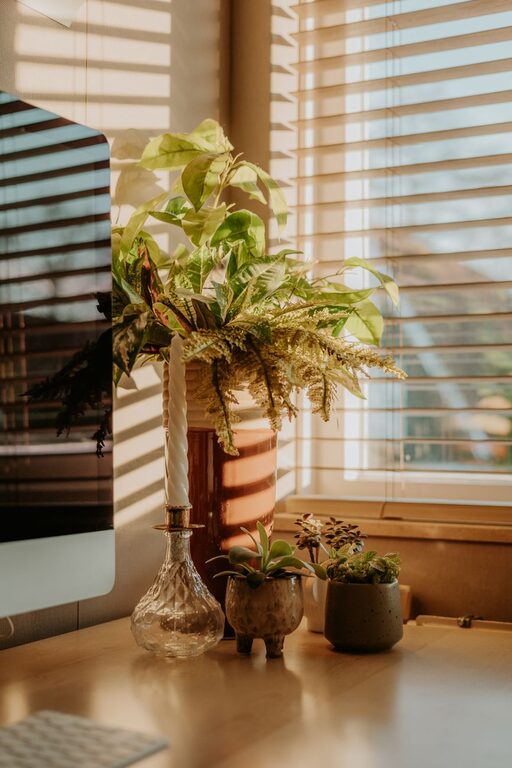
– Natural Light: If possible, place your desk near a window to enjoy natural light. Sunlight can improve mood and energy levels.
– Quiet Area: Choose a location away from noise and high traffic areas in your home to minimize interruptions.
– Space Considerations: Ensure you have enough room for your desk, chair, and any tools or materials you need, but avoid overcrowding.
Invest in Comfortable Furniture
Comfort is key to staying relaxed during long work hours.
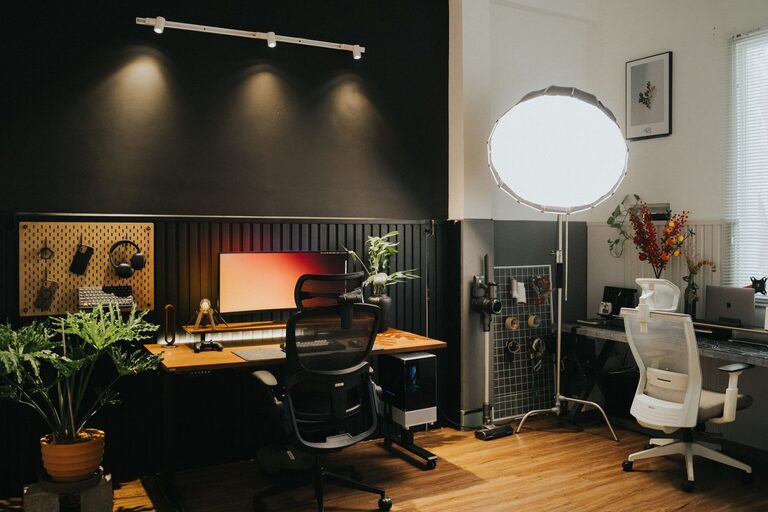
– Ergonomic Chair: A supportive chair that encourages good posture helps prevent back and neck pain.
– Desk Height: Choose a desk at a comfortable height to avoid hunching or straining your wrists.
– Adjustable Furniture: Consider furniture that allows you to switch between sitting and standing to keep your body moving.
Keep It Organized
A cluttered space can lead to a cluttered mind.
– Declutter Regularly: Set aside time each week to tidy your workspace.
– Storage Solutions: Use shelves, drawers, or organizers to keep papers and supplies neatly stored.
– Minimalism: Keep only the essentials on your desk to maintain a clean look.
Use Calming Colors and Decor
Colors and decor influence mood and productivity.
– Soft, Neutral Tones: Shades of blue, green, or beige can create a peaceful atmosphere.
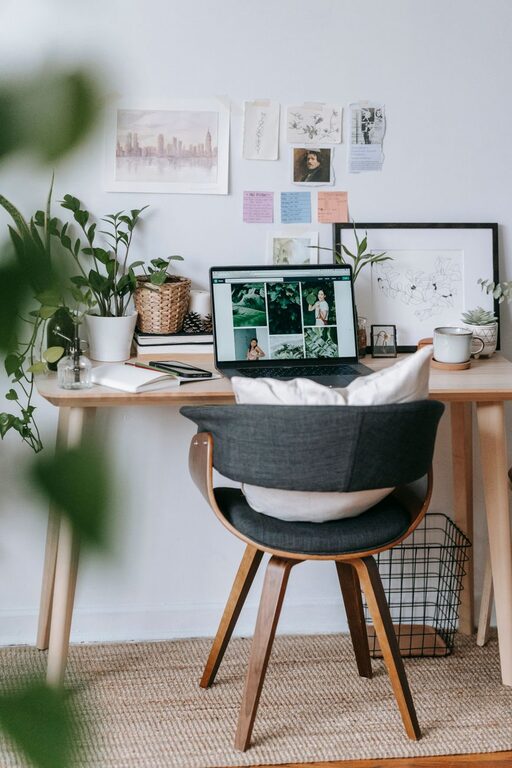
– Plants: Adding greenery can improve air quality and bring a touch of nature indoors.
– Personal Touches: Include items that inspire you, like artwork or photos, but avoid overdecorating.
Control Lighting
Lighting plays a major role in comfort.
– Natural vs. Artificial: Use natural light whenever possible, supplemented by adjustable lamps.
– Avoid Glare: Position screens so that light sources don’t create uncomfortable glare.
– Warm Light: Lamps with warm bulbs can create a cozy ambiance especially during evening hours.
Manage Noise Levels
Reducing noise distractions helps maintain focus.
– Noise-Canceling Headphones: These are useful if ambient noise is unavoidable.
– Soft Background Music: For some, gentle instrumental music can improve concentration.
– Soundproofing: Simple solutions like rugs, curtains, or wall panels can absorb sound.
Establish a Routine and Boundaries
Creating a relaxing environment is also about habits.
– Designated Work Hours: Set clear start and end times to avoid burnout.
– Breaks: Take regular breaks to stretch, hydrate, and refresh.
– Separate Spaces: If possible, keep your home office physically separate from your living areas to encourage mental boundaries.
Keep Technology in Check
Technology can both help and hinder relaxation.
– Cable Management: Use clips or ties to keep cords tidy and out of sight.
– Limit Notifications: Turn off unnecessary alerts during focused work periods.
– Regular Maintenance: Keep your devices updated and organized to prevent frustration.
Add Relaxation Elements
Incorporate features that help you de-stress quickly.
– Aromatherapy: Scents like lavender or eucalyptus from candles or diffusers can promote calm.
– Comfort Items: Keep a cozy throw blanket or cushion nearby.
– Water Features: Small tabletop fountains or aquariums can create soothing sounds.
Conclusion
Creating a relaxing home office environment isn’t just about aesthetics; it’s about building a workspace that supports your mental and physical well-being. By choosing the right location, investing in comfort, staying organized, controlling your environment, and establishing clear routines, you can enhance your productivity and enjoy a more peaceful workday. Take the time to personalize your space and adjust it according to your needs—small changes can lead to big improvements.
Remember, your home office should be a place where you feel both comfortable and motivated. With these tips, you’re on your way to building a workspace that helps you thrive.